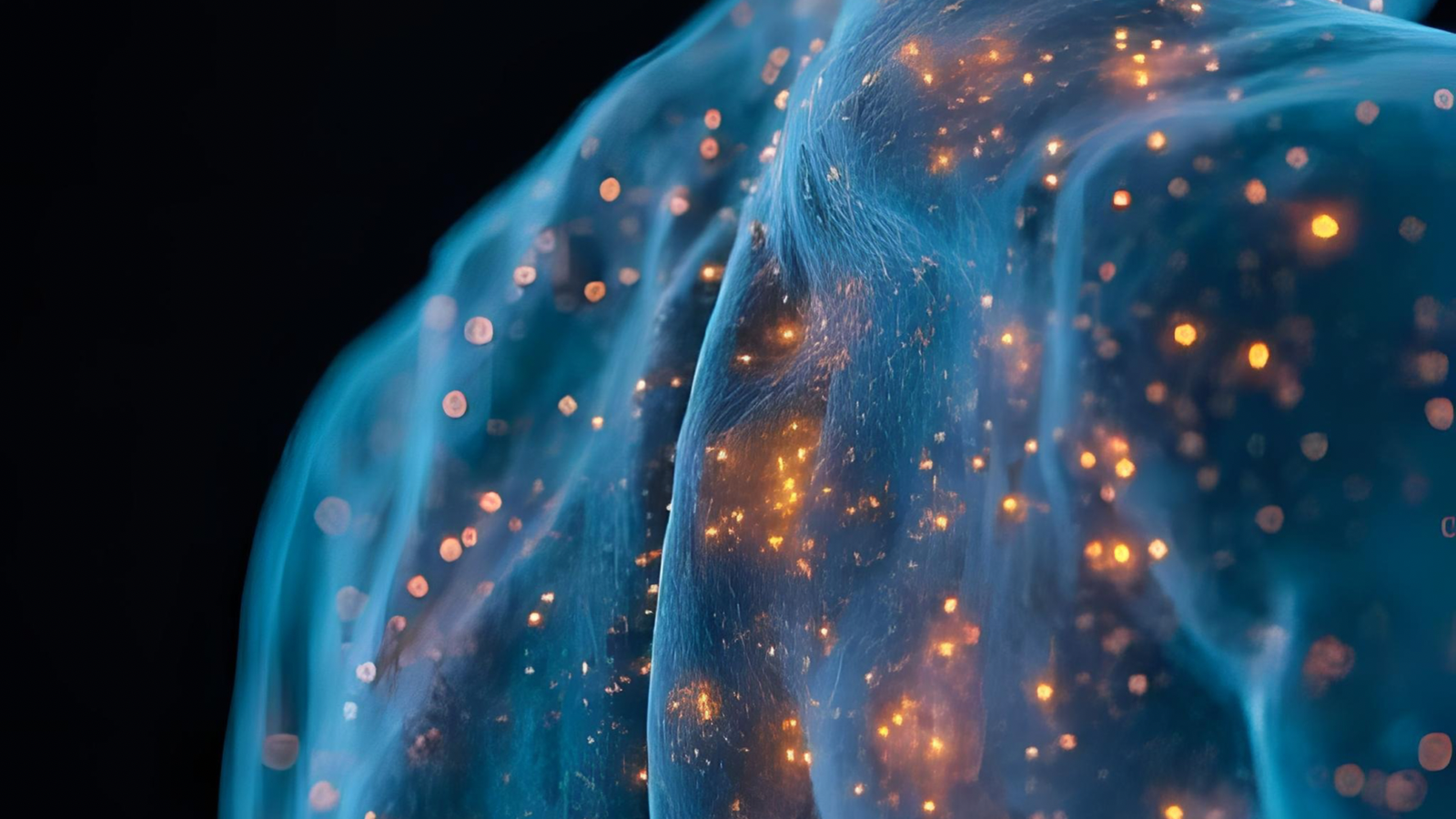
In a groundbreaking step forward for longevity science, researchers at Osaka University in Japan have developed an experimental drug called IU1 that could one day help delay the aging process. This discovery, published in multiple outlets and gaining traction after coverage by Geeks Around Globe, is stirring hope among those invested in extending healthspan and rejuvenating vital organs.
How IU1 Targets Aging at the Cellular Level
The secret behind IU1 lies in its unique approach to cellular aging. As our bodies age, some cells quit dividing and enter a state called senescence. These “zombie cells” don’t die; instead, they persist and secrete harmful compounds that can damage surrounding tissue and accelerate the breakdown of organs. The accumulation of these cells is widely regarded as one of the driving forces behind aging and age-related diseases.
IU1 is designed to selectively remove these senescent cells, potentially clearing the way for healthier cell function and tissue repair. Early indications suggest this process may help rejuvenate organs, foster DNA repair, and restore lost vitality.
Laboratory Results Offer Hope for Lifespan Extension
The Osaka University team tested IU1 on fruit flies—an established animal model for longevity studies due to their short lifespans and genetic similarities in basic aging pathways. The results were exciting: fruit flies treated with IU1 lived significantly longer and displayed delayed signs of age-related decline compared to their untreated peers. For many in the longevity research community, this offers tantalizing proof-of-concept that targeting zombie cells can help slow the aging clock.
The Gap Between Lab Bench and Human Medicine
While IU1’s effects in fruit flies are promising, experts urge caution. As of now, IU1 remains strictly experimental. No clinical trials have been conducted in humans. Scientists stress that translating age-delaying effects observed in fruit flies to people is a massive leap. Biological differences between fruit flies and humans are vast, and most drugs that work in insect models never make it to the pharmacy shelf.
Moreover, experts warn against premature optimism about living “centuries longer,” as some headlines have speculated. Longevity science is notoriously complex, and although clearing senescent cells is a thrilling avenue, a safe, proven therapy for humans could be years or decades away.
What’s Next for Anti-Aging Medicine?
Nonetheless, the discovery of IU1 is an encouraging addition to the global effort to delay aging and improve quality of life for older adults. As research into senolytic drugs (medicines that target and eliminate senescent cells) accelerates worldwide, this breakthrough from Osaka University highlights both the progress being made and the hurdles that remain.
For now, IU1 is an exciting laboratory discovery and a testament to the ongoing search for practical ways to delay aging. Researchers and the general public alike will be watching closely as scientists continue their journey from fruit flies in a laboratory to potentially transformative therapies for humans.